Cleveland Clinic Research Logo
  • About
  • Science
    • Laboratories
    • Office of Research Development
    • Clinical & Translational Research
      Participating in Research
    • Departments
      Biomedical Engineering Cancer Biology Cardiovascular & Metabolic Sciences Computational Life Sciences Florida Research & Innovation Center Genomic Medicine Immunotherapy & Precision Immuno-Oncology
      Infection Biology Inflammation & Immunity Neurosciences Ophthalmic Research Quantitative Health Sciences Translational Hematology & Oncology Research
    • Centers & Programs
      Advanced Musculoskeletal Imaging Angiogenesis Center Cardiovascular Diagnostics & Prevention Consortium for Pain Genitourinary Malignancies Research Genome Center Microbiome & Human Health
      Musculoskeletal Research Northern Ohio Alcohol Center Pathogen & Human Health Research Populations Health Research Quantitative Metabolic Research Therapeutics Discovery
  • Core Services
    • Ohio
      3D Printing Bioimage AnalysisBioRobotics & Mechanical Testing Cell Culture Cleveland Clinic BioRepository Computational Oncology Platform Computing Services Discovery Lab Electron Microscopy Electronics Engineering
      Flow CytometryGenomic Medicine Institute Biorepository Genomics Glassware Histology Hybridoma Immunohistochemistry Immunomonitoring Lab Instrument Refurbishing & Repair Laboratory Diagnostic
      Lerner Research Institute BioRepository Light MicroscopyMechanical Prototyping Microbial Culturing & Engineering Microbial Sequencing & Analytics Resources Media Preparation Molecular Biotechnology Nitinol Polymer Proteomics & Metabolomics SomaScan & Biomarker Therapeutics Discovery
    • Florida
      Bioinformatics & Protein Engineering
      Flow Cytometry
      Imaging
  • Education & Training
    • Graduate Programs Molecular Medicine PhD Program Postdoctoral Program
      Global Research Education Research Intensive Summer Experience (RISE) Undergraduate & High School Programs
  • News
  • Careers
    • Faculty Positions Research Associate & Project Staff Postdoctoral Positions Technical & Administrative Engagement
  • Donate
  • Contact
  • About
  • Science
    • Scientific Programs
    • Laboratories
    • Office of Research Development
    • Clinical & Translational Research
      Participating in Research
    • Departments
      Biomedical Engineering Cancer Biology Cardiovascular & Metabolic Sciences Computational Life Sciences Florida Research & Innovation Center Genomic Medicine Immunotherapy & Precision Immuno-Oncology
      Infection Biology Inflammation & Immunity Neurosciences Ophthalmic Research Quantitative Health Sciences Translational Hematology & Oncology Research
    • Centers & Programs
      Advanced Musculoskeletal Imaging Angiogenesis Center Cardiovascular Diagnostics & Prevention Consortium for Pain Genitourinary Malignancies Research Genome Center Microbiome & Human Health
      Musculoskeletal Research Northern Ohio Alcohol Center Pathogen & Human Health Research Populations Health Research Quantitative Metabolic Research Therapeutics Discovery
  • Core Services
    • All Cores
    • Ohio
      3D Printing Bioimage Analysis BioRobotics & Mechanical Testing Cell Culture Cleveland Clinic BioRepository Computational Oncology Platform Computing Services Discovery Lab Electron Microscopy Electronics Engineering
      Flow CytometryGenomic Medicine Institute BiorepositoryGenomics Glassware Histology Hybridoma Immunohistochemistry Immunomonitoring Lab Instrument Refurbishing & Repair Laboratory Diagnostic
      Lerner Research Institute BioRepository Light MicroscopyMechanical Prototyping Microbial Culturing & Engineering Microbial Sequencing & Analytics Resources Media Preparation Molecular Biotechnology Nitinol Polymer Proteomics SomaScan & Biomarker Therapeutics Discovery
    • Florida
      Bioinformatics & Protein Engineering
      Flow Cytometry
      Imaging
  • Education & Training
    • Research Education & Training Center
    • Graduate Programs Molecular Medicine PhD Program Postdoctoral Program
      Global Research Education Research Intensive Summer Experience (RISE) Undergraduate & High School Programs
  • News
  • Careers
    • Faculty Positions Research Associate & Project Staff Postdoctoral Positions Technical & AdministrativeEngagement
  • Donate
  • Contact
  • Search

Research News

❮News Cleveland Clinic microbiome discovery supports potential GLP-1 probiotics

03/19/2026

Cleveland Clinic microbiome discovery supports potential GLP-1 probiotics

New research shows many gut bacteria make a class of molecules that alter our hormones—including GLP-1 and insulin—after meals, supporting potential “GLP-1 probiotics."

Dr. Brown's wife, Amanda L. Brown, PhD, hand painted this interpretation of his paper. From left to right, it shows the journey of food being eaten and processed by gut microbes to make N-acyl serinol lipids.

In a finding that could spur GLP‑1 probiotic therapies, Cleveland Clinic researchers have identified a new way the gut microbiome helps regulate hormones after meals. The new PNAS study from the laboratory of J. Mark Brown, PhD, showed gut bacteria naturally make lipids that regulate how our bodies produce and sense hormones like GLP‑1 and insulin after meals. 

The lipids, called N-acyl serinols, add a missing piece to our understanding of the heart-microbiome connection.  

The study was led by a “dream team” of three trainees who served as co-first authors for the paper: Sumita Dutta, PhD; William “BJ” Massey, PhD; and Kala Mahen, PhD. 

“We needed this group of different experts to make this discovery, because it spanned so many fields,” Dr. Brown explains. “I call this type of diet-microbe-host interaction metaorganismal endocrinology, meaning metabolites originating from gut bacteria can engage with hormone receptors to elicit a metabolic response.” 

How do mealtime hormones shape metabolism? 

Hormones play a key role in controlling our metabolism after we eat. Dysregulated hormonal control after mealtimes can lead to obesity, diabetes and cardiovascular disease. This control is a key part of why GLP-1 receptor agonists are so successful in cases where people couldn’t maintain a healthy weight through diet and exercise alone. They keep our hormone levels (in this case, insulin and GLP-1) steady so our bodies can process food properly. 

N-acyl serinol lipids appear to work similarly. Preclinical models treated with steady amounts of the metabolites had enhanced GLP-1 and insulin levels after mealtimes. This was associated with a striking reorganization of meal-related metabolism.  

Drs. Dutta, Massey and Mahen also showed that manipulating the gut microbiome could internally control the amount of N-acyl serinol lipids our bodies receive. These internal changes caused similar hormone stability after mealtimes. 

“Although more work needs to be done, our research does suggest that bacterial N-acyl amides could help our bodies to produce more sustained GLP-1 levels without the need for common GLP-1 receptor agonist drugs like semaglutide, tirzapatide, duraglutide or exenatide,” Dr. Brown explains. “Our work also suggests that manipulating gut microbial lipid metabolism may have very profound effects on GLP-1, insulin and other hormonal responses following a meal.”  

Many foods break down into the materials needed to produce N-acyl serinol lipids, so it's difficult to pinpoint one food to consume more of to enhance production, Dr. Brown says. The Brown Lab is now developing targeted probiotic and postbiotic therapies to regulate GLP-1 and insulin levels based on their findings.   

What is postbiotic therapy? 

Postbiotic therapy involves ingesting beneficial compounds that don’t naturally occur in the foods we eat but are instead produced by our gut bacteria. The study clearly showed that supplemental N-acyl serinol helps regulate hormone levels in healthy preclinical models, so, the Brown Lab is now investigating whether the supplement and its hormonal effects can help treat or prevent metabolic disease.  

What is probiotic therapy? 

Probiotic therapy involves ingesting bacteria that make beneficial molecules out of foods we eat but can’t digest, in the hopes that the bacteria will become a permanent part of our gut microbiomes and act as “living medicine.” A GLP-1 probiotic therapy would be a bacterium that can help regulate GLP-1 levels after a meal. 

The Brown Lab found several unique bacteria that produce high levels of N-acyl serinol and can safely live in human intestines without causing disease. They are now testing whether these bacteria can improve preclinical models of metabolic disease.  

“Although the field of metaorganismal endocrinology is still in its infancy, there is clearly untapped therapeutic potential in understanding diet-microbe-host endocrine pathways,” Dr. Brown says. 
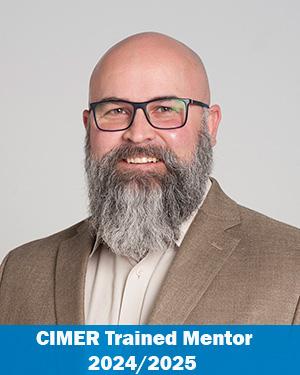
Featured Experts
J. Mark Brown Headshot
J. Mark
Brown, PhD
News Category
Related News
How a decade of patient-reported outcome measures is shaping the future of orthopaedic surgery Studying the past of orthopaedic patient-reported outcome measures to improve the future of careAward-winning personalized care for joint replacement research based on decade of data

Research areas

Cardiovascular & Metabolic Sciences

Want To Support Ground-Breaking Research at Cleveland Clinic?

Discover how you can help Cleveland Clinic save lives and continue to lead the transformation of healthcare.

Give to Cleveland Clinic

About Cleveland Clinic Research

About Us Careers Contact Us Donate People Directory

Science

Clinical & Translational Research Core Services Departments, Centers & Programs Laboratories Research News

Education & Training

Graduate Programs Global Research Education Molecular Medicine PhD Program Postdoctoral Program RISE Program Undergraduate & High School Programs

Site Information & Policies

Privacy Policy Search Site Site Map Social Media Policy

9500 Euclid Avenue, Cleveland, Ohio 44195 | © 2026 Cleveland Clinic Research