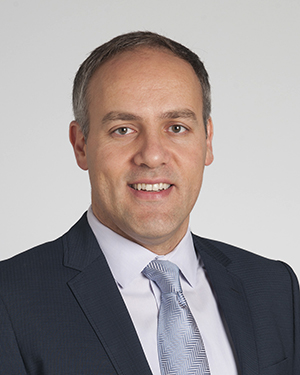
Dimitrios Davalos, PhD
Assistant Staff
Assistant Professor, Molecular Medicine, CCLCM-CWRU
Email: [email protected]
Location: Cleveland Clinic Main Campus
Research
Dr. Davalos’s research focuses on microglia, the brain’s resident immune cells: how they interact with neurons and with the cerebral vasculature to support brain function in health, and how they respond when brain homeostasis or the blood-brain barrier are compromised. Using in vivo two-photon imaging of the living brain together with molecular, cellular and genetic approaches and studies of human brain tissue, his lab seeks to define how microglia contribute to diseases including Alzheimer’s disease, multiple sclerosis, alcohol use disorder and stroke, and to identify new therapeutic targets.
Key early contributions include showing that microglia in the healthy brain continuously survey their surroundings and respond within minutes to local injury (Nature Neuroscience, 2005), and revealing how microglia respond to blood-brain barrier disruption in neuroinflammatory disease (Nature Communications, 2012).
Recent studies identified a lipid-mediated mechanism of microglial dysfunction in Alzheimer’s disease (Immunity, 2025) and showed that microglia disrupt the extracellular matrix surrounding neurons after alcohol abuse (Immunity 2026). More details can be found on the Research tab.
Biography
Dr. Dimitrios Davalos is currently Assistant Staff in the Department of Neurosciences and Assistant Professor of Molecular Medicine at Cleveland Clinic Research and Case Western Reserve University. He grew up in Athens, Greece and received a Bachelors' Degree in Biology from the University of Athens, then his PhD in Neuroscience and Physiology from New York University, followed by a postdoctoral fellowship at University of California San Diego. Before starting his lab in Cleveland he was the Associate Director of the Center for In Vivo Imaging Research at the Gladstone Institutes and the University of California, San Francisco.
Education & Professional Highlights
Education
- PhD, Neuroscience and Physiology, New York University School of Medicine, 2005
- BS, Biology, University of Athens, Greece, 2000
Postdoctoral training
- Postdoctoral Fellow, Department of Pharmacology, University of California San Diego, 2005–2008
- Postdoctoral Fellow, Gladstone Institutes, University of California San Francisco, 2008–2010
Appointments
- Assistant Professor, Department of Molecular Medicine, Cleveland Clinic Lerner College of Medicine, Case Western Reserve University, 2017–present
- Assistant Staff, Department of Neurosciences, Cleveland Clinic Research, 2015–present
- Associate Director / Staff Research Scientist, Center for In Vivo Imaging Research, Gladstone Institute of Neurological Disease, UCSF, 2010–2015
Selected Honors, Leadership and Service
- Postdoctoral Fellowship, National Multiple Sclerosis Society, 2008
- Young Investigator Award, Race to Erase MS Foundation (formerly the Nancy Davis Foundation for Multiple Sclerosis), 2012
- Scientist Development Grant, American Heart Association, 2013–2018
- Board Director, Spring Brain Conferences, 2023–present (Program Chair 2020, 2023, 2024)
- Council Member, International Society for Fibrinolysis and Proteolysis, 2024–present
- Scientific and Business Advisory Committee, Fast Forward LLC, and Training Grants and Fellowships Committee, National Multiple Sclerosis Society
- Research Advisory Board, Shriners Hospitals for Children, 2015–present
- Reviewer for NIH study sections (NIH/CSR and NINDS special emphasis panels, 2020–2026) and for several other national and international funding agencies and scientific journals
Research
Research overview and ongoing studies
The Davalos Lab investigates how microglia, the resident immune cells of the central nervous system (CNS), support brain function in health and how their responses shape neurological disease. We study microglia at two key interfaces: with neurons, whose connections and function determine brain health, and with the blood-brain barrier (BBB), the vascular interface through which blood-derived molecules and immune cells can enter the brain. Our approach combines longitudinal in vivo two-photon imaging in living mice with molecular, cellular and genetic tools and analyses of human brain tissue, to identify mechanisms and therapeutic targets that translate to patients.
Microglia survey the healthy brain and respond rapidly to injury
By imaging microglia in the living mammalian brain for the first time, using two-photon microscopy, Dr. Davalos's doctoral work showed that microglia in the healthy brain are not "resting": their processes continuously survey the surrounding tissue, and they rapidly converge on sites of injury through ATP and purinergic receptor signaling (Nature Neuroscience, 2005). These unexpected findings changed the field’s view of microglia and inspired numerous studies aimed at understanding the mechanisms and significance of these novel microglial functions for neuronal plasticity, function, and dysfunction.
Microglial interactions with the CNS vasculature and the blood-brain barrier
As a postdoctoral fellow in Katerina Akassoglou's lab, first at UC San Diego and later at the Gladstone Institutes and UC San Francisco, Dr. Davalos used in vivo imaging in a mouse model of multiple sclerosis to show that microglia are among the earliest cells to respond to BBB disruption, clustering around blood vessels at sites of fibrinogen leakage before disease onset. Fibrinogen binding to the receptor CD11b/CD18 was required for this clustering and for subsequent axonal damage (Nature Communications, 2012). He also showed that thrombin activity can be detected early in neuroinflammatory disease (Annals of Neurology, 2014), and contributed to the Akassoglou lab’s studies showing that fibrin promotes neuroinflammation and can be targeted therapeutically (Nature Immunology, 2018) and that fibrinogen induces microglia-mediated spine elimination in an Alzheimer’s disease model (Neuron, 2019).
Building on this foundation, the Davalos Lab now examines how microglia respond to, and participate in, vascular dysfunction and BBB disruption in Alzheimer’s disease, multiple sclerosis, and stroke.
Microglial regulation of synaptic and perisynaptic integrity, neuronal function, and behavior
We recently discovered that microglia play an active role in regulating neuronal activity by altering the perisynaptic extracellular matrix (ECM). By performing longitudinal in vivo imaging in a model of alcohol abuse, we found that microglia respond rapidly to ethanol exposure and engulf the ECM that surrounds neuronal connections, followed by synapse loss and reduced neuronal activity. These microglial responses precede and parallel intoxication and sedation. Removing the innate immune adaptor MyD88 from microglia prevented these changes and protected mice from alcohol-induced intoxication and motor impairment. We also found ECM disruption in frontal cortex from individuals with alcohol use disorder (Immunity, 2026). These findings identify microglia as drivers of brain dysfunction after alcohol abuse and microglial MyD88 signaling as a potential therapeutic target.
Ongoing studies explore how targeting microglia or preserving the ECM can prevent brain damage and its neuronal and behavioral consequences, in the context of alcohol and other substance use paradigms, as well as in other neurological diseases.
Microglial metabolic changes and neurodegenerative disease
In collaboration with Gaurav Chopra's group at Purdue University, we found that microglia exposed to amyloid-β accumulate lipid droplets, which impairs their ability to take up amyloid. The enzyme DGAT2 drives this lipid accumulation; pharmacological inhibition of DGAT2 restored microglial amyloid uptake and reduced plaque load and neuronal damage in the 5xFAD mouse model. Microglia surrounding amyloid plaques in human Alzheimer's disease brain showed a similar lipid-laden state (Immunity, 2025).
Imaging methods, review and opinion articles
We develop and share methods for stable, long-term in vivo imaging of the brain and spinal cord, including imaging of the mouse spinal cord (Journal of Neuroscience Methods, 2008; Journal of Visualized Experiments, 2012). We contributed to methods for chronic optical access through a thinned skull (Nature Methods, 2010) and for imaging microglial responses at sites of fibrinogen deposition (STAR Protocols, 2021), and authored reviews on in vivo imaging of immune cells and the neurovascular interface (e.g. Experimental Neurology, 2019) and on the role of fibrinogen as a regulator of inflammation in disease (Seminars in Immunopathology, 2012). Dr. Davalos has also coauthored book chapters and opinion articles (see publications tab), including on discovery and therapeutics at the brain–vascular–immune interface (Cell, 2024) and the role of fibrinogen in multiple sclerosis (Multiple Sclerosis Journal, 2019), as well as the community consensus on microglia states and nomenclature (Neuron, 2022).
Funding
Our work has been supported by the National Institutes of Health (NINDS, NIAAA, NIA), the National Multiple Sclerosis Society, the American Heart Association, the Race to Erase MS Foundation, the American Brain Tumor Association, VeloSano, and Cleveland Clinic.
Our Team
Selected Publications
View publications for Dimitrios Davalos, PhD
(Disclaimer: This search is powered by PubMed, a service of the U.S. National Library of Medicine. PubMed is a third-party website with no affiliation with Cleveland Clinic.)
List of publications newest first. *equal first authorship; #corresponding author. Items marked (Review), (Commentary) or (Methods) are not original research articles. Titles link to PubMed.
2026
• Paouri E*, Stanko S*, Gasmi N, Glusauskas G, Mao V, Kwak A, Hsu S, Sarmadi S, Huang E, Das A, Hershberger C, Watercutter Q, McMullen MR, Birck C, Burton H, Tobin H, Gjojdeshi A, Dziabis J, Hanamsagar RM, Rotroff DM, Prayson RA, Bilbo SD, Valadkhan S, Dana H, Nagy LE, Davalos D#. Microglia-mediated extracellular matrix disruption drives neuronal dysfunction, motor impairments and sedation following alcohol abuse. Immunity. 2026 (online ahead of print). PMID: 42849443
• Gasmi N*, Tobin H*, Ahmadpour D*, Tahmasebi G, Koohfar A, Kalnitsky S, Rogers-Carter M, Icardi J, Roehrs S, Bhatia S, Shindler H, Manworren J, Agochiya P, Singh S, Stanko S, Richards C, Suh H, Alexopoulos A, Serletis D, Najm I, Dana H#, and Davalos D#. Early increases in hippocampal synchrony predict chronic epileptiform burden in a temporal lobe epilepsy model. bioRxiv. 2026.11.04.763700
• Sullivan LT, Chen DT, Foster C, Zimmerman B, Elk K, Marxmiller B, McGillis T, Li Y, Bonney SK, Faulhaber L, Davalos D, Gust J, Zhao Z, Mishra A, Shih AY. Chemogenetic Pericyte Activation Reveals Broad Contractile Ability and Limbic Vulnerability to Capillary Flow Deficits. bioRxiv. 2026 2026.04.11.717917.
• Arun N, Frederick NM, Tavares GA, Vicchiarelli A, Swaminathan D, Powers J, Davalos D, Bergmann CC, Louveau A. A Single-Cell Atlas of the Mouse Dural Meninges Reveals Pervasive Sex Differences Across Cellular Compartments. J Neuroinflammation. 2026 (online ahead of print).
• Travers J, Zhang Y, Cajigas-Du Ross CK, Huang E, McMullen MR, Wu J, Paouri E, Davalos D, Wu X, Pathak V, Rotroff DM, Nagy LE. Non-transcriptional activity of IRF3 promotes liver fibrosis and stress granule assembly via a dsRNA-TLR3-dependent pathway in hepatic stellate cells. Hepatology. 2026 (online ahead of print). PMID: 42228943
• Arya RK, Huang E, McMullen MR, Poulsen KL, Wu J, Travers J, Paouri E, Davalos D, Nagy LE. RIP3 and MLKL regulate hepatic ER stress in alcohol-associated liver disease and pharmacological ER stress models: insights beyond necroptosis. JHEP Rep. 2026;8(2):101628. PMID: 41624491
2025
• Najm L, Chomyk A, Cyncynatus K, Davalos D, Mahajan KR, Trapp BD. Demyelinated lesion associated compartmental inflammation in progressive multiple sclerosis brains. Acta Neuropathol Commun. 2025;13(1):204. PMID: 41024168
• Prakash P*, Manchanda P*, Paouri E, Bisht K, Sharma K, Rajpoot J, Wendt V, Hossain A, Wijewardhane PR, Randolph CE, Chen Y, Stanko S, Gasmi N, Gjojdeshi A, Card S, Fine J, Jethava KP, Clark MG, Dong B, Ma S, Crockett A, Thayer EA, Nicolas M, Davis R, Hardikar D, Allende D, Prayson RA, Zhang C, Davalos D#, Chopra G#. Amyloid-β induces lipid droplet-mediated microglial dysfunction via the enzyme DGAT2 in Alzheimer's disease. Immunity. 2025;58(6):1536-1552.e8. PMID: 40393454
2024
• Akassoglou K, Davalos D, Mendiola AS, Petersen MA, Ryu JK, Schachtrup C, Yan Z. Pioneering discovery and therapeutics at the brain-vascular-immune interface. (Commentary) Cell. 2024;187(21):5871-5876. PMID: 39423805
• Crockett A, Fuhrmann M, Garaschuk O, Davalos D#. Progress in structural and functional in vivo imaging of microglia and their application in health and disease. (Review) Adv Neurobiol. 2024;37:65-80. PMID: 39207687
• Profaci CP, Harvey SS, Bajc K, Zhang TZ, Jeffrey DA, Zhang AZ, Nemec KM, Davtyan H, O'Brien CA, McKinsey GL, Longworth A, McMullen TP, Capocchi JK, Gonzalez JG, Lawson DA, Arnold TD, Davalos D, Blurton-Jones M, Dabertrand F, Bennett FC, Daneman R. Microglia are not necessary for maintenance of blood-brain barrier properties in health, but PLX5622 alters brain endothelial cholesterol metabolism. Neuron. 2024;112(17):2910-2921.e7. PMID: 39142282
2022
• Paolicelli RC, Sierra A, Stevens B, … Davalos D, … Wu LJ, Wyss-Coray T. Microglia states and nomenclature: a field at its crossroads. (Review) Neuron. 2022;110(21):3458-3483. PMID: 36327895
2021
• Tognatta R, Merlini M, Yan Z, Schuck R, Davalos D, Akassoglou K. In vivo two-photon microscopy protocol for imaging microglial responses and spine elimination at sites of fibrinogen deposition in mouse brain. (Methods) STAR Protocols. 2021;2(3):100638. PMID: 34258598
2020
• Soulet D, Lamontagne-Proulx J, Aubé B, Davalos D. Multiphoton intravital microscopy in small animals: motion artefact challenges and technical solutions. (Review) J Microsc. 2020;278(1):3-17. PMID: 32072642
• Turaga SM, Silver DJ, Bayik D, Paouri E, Peng S, Lauko A, Alban TJ, Borjini N, Stanko S, Naik U, Keri RA, Connor JR, Barnholtz-Sloan JS, Rubin JB, Berens M, Davalos D, Lathia JD. JAM-A functions as a female microglial tumor suppressor in glioblastoma. Neuro Oncol. 2020;22(11):1591-1601. PMID: 32592484
2019
• Borjini N, Paouri E, Tognatta R, Akassoglou K, Davalos D#. Imaging the dynamic interactions between immune cells and the neurovascular interface in the spinal cord. (Review) Exp Neurol. 2019;322:113046. PMID: 31472115
• Davalos D&, Mahajan KR, Trapp BD. Brain fibrinogen deposition plays a key role in MS pathophysiology — Yes. (Commentary) Mult Scler. 2019;25(8):1099-1100. PMID: 31315512
• Merlini M, Rafalski VA, Rios Coronado PE, Gill TM, Ellisman M, Muthukumar G, Subramanian KS, Ryu JK, Syme CA, Davalos D, Seeley WW, Mucke L, Nelson RB, Akassoglou K. Fibrinogen induces microglia-mediated spine elimination and cognitive impairment in an Alzheimer's disease model. Neuron. 2019;101(6):1099-1108.e6. PMID: 30737131
2018
• Ryu JK, Rafalski VA, Meyer-Franke A, Adams RA, Poda SB, Rios Coronado PE, Østergaard Pedersen L, Menon V, Baeten KM, Sikorski SL, Bedard C, Hanspers K, Bardehle S, Mendiola AS, Davalos D, Machado MR, Chan JP, Plastira I, Petersen MA, Pfaff SJ, Ang KK, Hallenbeck KK, Syme C, Hakozaki H, Ellisman MH, Swanson RA, Zamvil SS, Arkin MR, Zorn SH, Pico AR, Mucke L, Freedman SB, Stavenhagen JB, Nelson RB, Akassoglou K. Fibrin-targeting immunotherapy protects against neuroinflammation and neurodegeneration. Nat Immunol. 2018;19(11):1212-1223. PMID: 30323343
• Sayed F, Telpoukhovskaia M, Kodama L, Li Y, Zhou Y, Le D, Hauduc AC, Ludwig C, Gao F, Clelland C, Zhan L, Cooper YA, Davalos D, Akassoglou K, Coppola G, Gan L. Differential effects of partial and complete loss of TREM2 on microglial injury response and tauopathy. Proc Natl Acad Sci USA. 2018;115(40):10172-10177. PMID: 30232263
2017
• Krabbe G, Minami SS, Etchegaray JI, Taneja P, Djukic B, Davalos D, Le D, Lo I, Zhan L, Reichert MC, Sayed F, Merlini M, Ward ME, Perry DC, Lee SE, Sias A, Parkhurst CN, Gan WB, Akassoglou K, Miller BL, Farese RV Jr, Gan L. Microglial NFκB-TNFα hyperactivation induces obsessive-compulsive behavior in mouse models of progranulin-deficient frontotemporal dementia. Proc Natl Acad Sci USA. 2017;114(19):5029-5034. PMID: 28438992
2016
• Akassoglou K, Agalliu D, Chang CJ, Davalos D, Grutzendler J, Hillman EMC, Khakh BS, Kleinfeld D, McGavern D, Nelson SJ, Zlokovic BV. Neurovascular and immuno-imaging: from mechanisms to therapies. (Review) Front Neurosci. 2016;10:46. PMID: 26941593
• Tsai HH, Niu J, Munji R, Davalos D, Chang J, Zhang H, Tien AC, Kuo CJ, Chan JR, Daneman R, Fancy SP. Oligodendrocyte precursors migrate along vasculature in the developing nervous system. Science. 2016;351(6271):379-384. PMID: 26798014
• Baeza-Raja B, Sachs BD, Li P, Christian F, Vagena E, Davalos D, Le Moan N, Ryu JK, Sikorski SL, Chan JP, Scadeng M, Taylor SS, Houslay MD, Baillie G, Saltiel AR, Olefsky JM, Akassoglou K. p75 neurotrophin receptor regulates energy balance in obesity. Cell Rep. 2016;14(2):255-268. PMID: 26748707
2012–2015
• Le Moan N, Baeten KM, Rafalski VA, Ryu JK, Rios P, Bedard C, Syme C, Davalos D, Akassoglou K. Hypoxia Inducible Factor-1α in astrocytes and/or myeloid cells is not required for the development of autoimmune demyelinating disease. eNeuro. 2015;2(2):ENEURO.0050-14.2015. PMID: 26213713
• Gyoneva S, Davalos D, Biswas D, Garnier E, Loth F, Akassoglou K, Traynelis SF. Systemic inflammation regulates microglial responses to tissue damage in vivo. Glia. 2014;62(8):1345-1360. PMID: 24807189
• Davalos D, Baeten KM, Whitney MA, Mullins ES, Friedman B, Olson ES, Ryu JK, Smirnoff DS, Petersen MA, Bedard C, Degen JL, Tsien RY, Akassoglou K. Early detection of thrombin activity in neuroinflammatory disease. Ann Neurol. 2014;75(2):303-308. PMID: 24740641
• Chen W, Guo Y, Walker EJ, Shen F, Jun K, Oh SP, Degos V, Lawton MT, Tihan T, Davalos D, Akassoglou K, Nelson J, Pile-Spellman J, Su H, Young WL. Reduced mural cell coverage and impaired vessel integrity after angiogenic stimulation in the Alk1-deficient brain. Arterioscler Thromb Vasc Biol. 2013;33(2):305-310. PMID: 23241407
• Merlini M, Davalos D, Akassoglou K. In vivo imaging of the neurovascular unit in CNS disease. (Review) IntraVital. 2012;1(2):87-94. PMID: 25197615
• Kwan W, Träger U, Davalos D, Chou A, Bouchard J, Andre R, Miller A, Weiss A, Giorgini F, Cheah C, Möller T, Stella N, Akassoglou K, Tabrizi SJ, Muchowski PJ. Mutant huntingtin impairs immune cell migration in Huntington disease. J Clin Invest. 2012;122(12):4737-4747. PMID: 23160193
• Davalos D, Ryu JK, Merlini M, Baeten KM, Le Moan N, Petersen MA, Deerinck TJ, Smirnoff DS, Bedard C, Hakozaki H, Murray SG, Ling JB, Lassmann H, Degen JL, Ellisman MH, Akassoglou K. Fibrinogen-induced perivascular microglial clustering is required for the development of axonal damage in neuroinflammation. Nat Commun. 2012;3:1227. PMID: 23187627
• Baeza-Raja B, Li P, Sachs BD, Vagena E, Schachtrup C, Le Moan N, Davalos D, Helmrick MJ, Bridges D, Saltiel AR, Olefsky JM, Akassoglou K. p75 neurotrophin receptor regulates glucose homeostasis and insulin sensitivity. Proc Natl Acad Sci USA. 2012;109(15):5838-5843. PMID: 22460790
• Davalos D#, Akassoglou K. In vivo imaging of the mouse spinal cord using two-photon microscopy. (Methods) J Vis Exp. 2012;(59):e2760. PMID: 22258623
• Davalos D, Akassoglou K. Fibrinogen as a key regulator of inflammation in disease. (Review) Semin Immunopathol. 2012;34(1):43-62. PMID: 22037947
2005–2011
• Drew PJ, Shih AY, Driscoll JD, Knutsen PM, Blinder P, Davalos D, Akassoglou K, Tsai PS, Kleinfeld D. Chronic optical access through a polished and reinforced thinned skull. (Methods) Nat Methods. 2010;7(12):981-984. PMID: 20966916
• Ryu JK, Davalos D, Akassoglou K. Fibrinogen signal transduction in the nervous system. (Review) J Thromb Haemost. 2009;7 Suppl 1:151-154. PMID: 19630789
• Davalos D*#, Lee JK*, Smith WB, Brinkman B, Ellisman MH, Zheng B, Akassoglou K#. Stable in vivo imaging of densely populated glia, axons and blood vessels in the mouse spinal cord using two-photon microscopy. (Methods) J Neurosci Methods. 2008;169(1):1-7. PMID: 18192022
• Adams RA, Schachtrup C, Davalos D, Tsigelny I, Akassoglou K. Fibrinogen signal transduction as a mediator and therapeutic target in inflammation: lessons from multiple sclerosis. (Review) Curr Med Chem. 2007;14(27):2925-2936. PMID: 18045138
• Davalos D, Grutzendler J, Yang G, Kim JV, Zuo Y, Jung S, Littman DR, Dustin ML, Gan WB. ATP mediates rapid microglial response to local brain injury in vivo. Nat Neurosci. 2005;8(6):752-758. PMID: 15895084
Book chapters
• Davalos D, Akassoglou K, Cardona A. Microglia. In: Neurodevelopmental Disorders and Function in the Healthy and Diseased Brain. Springer, New York; 2019:803-817.
• Davalos D and Fuhrmann M. Lessons from in vivo imaging. In: Microglia in Health and Disease. Springer, New York; 2014:81-114.
• Davalos D and Akassoglou K. Imaging microglia in the central nervous system: past, present and future. In: Central Nervous System Diseases and Inflammation. Springer, New York; 2008:45-57.
Other
• Davalos D. Imaging microglia in living mice revealed unexpected roles for the brain's guardians. (Commentary) Neuroscience Pathways. 2016.
Careers
Research News

Grant-supported center commemorates a decade of addressing a major public health concern.

The findings outline a new mechanism behind alcohol-related brain damage, challenging long-held assumptions.

In normal conditions, healthy blood vessels provide a physical border between the brain and circulating blood known as the blood-brain barrier (BBB). The barrier becomes compromised very early in MS.

The internally funded award promotes new cross-disciplinary collaborations for different perspectives into common topics, diseases and conditions.